A worker reaches into a jammed conveyor belt. The machine powers back on unexpectedly. Seconds later, the injury is catastrophic. This isn’t a hypothetical—it happens when lockout tagout (LOTO) procedures break down. At the heart of every reliable LOTO process is a simple but vital document: the lockout tagout sign out sheet. It’s not just paperwork—it’s a legal, operational, and safety record that tracks who locked out equipment, when, and whether it’s safe to re-energize.
Yet far too many facilities treat this sheet as an afterthought—an extra form to fill instead of a frontline safety tool. When used correctly, it prevents miscommunication, enforces accountability, and protects teams during maintenance and repair. This article breaks down why the sign out sheet matters, how to design and use it effectively, and the real-world consequences of getting it wrong.
Why a Lockout Tagout Sign Out Sheet Is Non-Negotiable
OSHA’s standard 29 CFR 1910.147 mandates that employers implement a control of hazardous energy program. A lockout tagout sign out sheet is a required component—not a suggestion. It serves three critical functions:
- Accountability – Records every employee who applied a lock or tag.
- Verification – Confirms equipment is isolated before work begins.
- Clearance – Authorizes re-energization only after all workers have removed their locks.
Without this document, coordination fails. Imagine a maintenance team where two technicians service a press. One finishes early and leaves. The other is still inside the machine. If there's no sign out sheet, the supervisor might assume the machine is clear and restore power—leading to disaster.
In high-risk environments—manufacturing plants, refineries, food processing facilities—a sign out sheet is the paper trail that keeps people alive.
What Should Be on a Lockout Tagout Sign Out Sheet
A well-designed sign out sheet isn’t a blank form waiting to be misused. It must include structured, mandatory fields that guide proper procedure. Key components include:
Equipment Identification
- Name, location, and ID number of the machine or system.
- Energy sources involved (electrical, hydraulic, pneumatic, etc.).
Employee and Supervisor Details
- Name and signature of each authorized employee applying a lock.
- Supervisor or lead technician responsible for the shutdown.
Lock/Tag Details
- Lock number or ID.
- Time and date of lock application.
- Type of energy isolated.
Clearance and Re-energization
- Time and date each lock is removed.
- Final verification signature before restarting the machine.
Example Use Case: A boiler requires maintenance in a chemical plant. The lead mechanic initiates the LOTO process and fills out the sign out sheet. Each of the four technicians on the team adds their name, lock number, and time. The sheet is posted at the lockout station. Before restart, the supervisor reviews the sheet, confirms all names are removed, verifies clearance with visual checks, and signs off. Only then is power restored.
Skipping any of these elements opens the door to risk.
Common Mistakes That Undermine LOTO Sign Out Sheets

Even facilities with LOTO programs often make errors that compromise safety. These are the most frequent—and avoidable—mistakes:
1. Using a Generic Blank Form
Many companies print a simple sign-in sheet with columns for names and times. That’s insufficient. Without equipment details or energy source information, it provides no context during audits or incident investigations.
2. Lack of Accessibility Storing the sheet in an office or on a clipboard behind a locked door defeats its purpose. The sign out sheet must be visibly posted at or near the lockout point so all personnel can see the status at a glance.
3. Delayed or Missing Sign-Outs Technicians rush. They remove their lock but forget to sign out. Without a real-time record, others can't confirm clearance. Some teams use a “last to leave” rule—only the final technician signs off. This is dangerous. Every individual must document their own release.
4. Poor Training Workers don't understand why the sheet matters. They see it as bureaucratic overhead. Training must emphasize that the sheet is part of their personal protection—not just compliance.
5. No Integration with Procedures The sign out sheet should be embedded in the written LOTO procedure for each machine. If the process says “follow sign out protocol” but doesn’t specify how or where the sheet is used, confusion follows.
How to Design an Effective Lockout Tagout Sign Out Sheet
A good design enforces discipline through structure. Consider these practical tips:
Use a Standardized Template Create a consistent format used across all equipment. This reduces errors and speeds up training. Digital or paper, the layout should be intuitive.
Include Visual Cues Color-code sections: red for lock application, green for clearance. Use checkmarks or boxes to ensure all steps are completed.
Leave Room for Notes Unexpected delays happen. A mechanic might discover a cracked valve and need extended time. A “remarks” section allows them to note this and communicate to shift supervisors.
Make It Durable In industrial settings, paper gets torn or smeared. Use laminated sheets, weather-resistant forms, or digital tablets mounted in protective cases.
Integrate with Lockout Stations
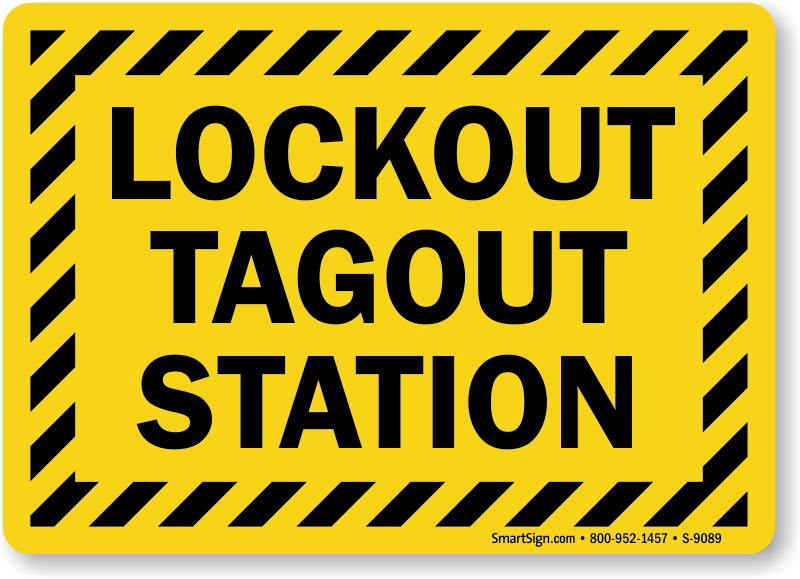
Many facilities install lockout stations near high-risk machines. These include hasps, locks, tags, and a dedicated pocket for the sign out sheet. This keeps everything in one place—reducing the chance of missed steps.
Digital vs. Paper Sign Out Sheets: What Works Best?
While paper is common, digital solutions are gaining traction. Let’s break down the trade-offs.
| Feature | Paper Sheet | Digital System |
|---|---|---|
| Accessibility | On-site only | Accessible from multiple devices |
| Real-time Updates | No | Yes |
| Audit Trail | Manual review | Automatic logs |
| Durability | Low (tears, smudges) | High (if device protected) |
| Training Curve | Low | Moderate |
| Cost | Low | Higher initial investment |
Digital tools like LOTO management software or mobile apps allow technicians to scan QR codes on equipment, log lock applications, and receive alerts when locks remain active past scheduled times. Some integrate with maintenance management systems (CMMS), creating a seamless workflow.

But digital isn’t always better. In facilities with limited Wi-Fi or older workforces, paper remains reliable. The key is consistency and compliance—not the medium.
Real-World Example: How a Sign Out Sheet Prevented a Disaster
At a Midwest automotive parts plant, a hydraulic press required emergency maintenance. Three technicians applied locks and began disassembling the frame. Midway, a shift change was announced. The day crew assumed the night crew would finish. Without a proper sign out sheet, the night supervisor saw no locks and restarted the system.
Thankfully, one technician had filled out a detailed sign out sheet and posted it on the control panel. The night lead noticed it, called for verification, and stopped the restart. Investigation revealed the day crew had left without removing locks or signing out.
The sign out sheet didn't just document a process—it prevented a fatality. The facility now mandates digital sign outs with photo verification and automated alerts.
Best Practices for Managing Lockout Tagout Sign Out Sheets
To make your sign out process bulletproof, follow these field-tested practices:
1. Assign Ownership One person—usually the lead authorized employee—initiates and closes the LOTO procedure. They are responsible for the sign out sheet.
2. Conduct Daily Audits Supervisors should spot-check 5–10% of LOTO events weekly. Verify that sheets are complete, properly filled, and archived.
3. Store Records for at Least One Year OSHA requires documentation of periodic inspections. Keep completed sign out sheets on file to prove compliance during audits.
4. Train with Real Scenarios Don’t just explain the form—run drills. Simulate a multi-person shutdown and practice full sign in/out. Include mock audit reviews.
5. Review and Update Templates Annually As equipment changes, so should your forms. Ensure all energy sources and roles are accurately reflected.
Avoid These Limitations and Pitfalls
Even with a strong system, limitations exist:
- Human error – A technician might sign the wrong line or skip a field.
- Language barriers – Multilingual teams may misunderstand instructions.
- Temporary workers – Contractors often aren’t trained on site-specific forms.
Mitigate these by: - Using symbols and visuals alongside text. - Requiring verbal confirmation before re-energization. - Including contractor onboarding in LOTO training.
A sign out sheet is only as strong as the culture behind it.
Final Thoughts: Make the Sign Out Sheet a Safety Habit
The lockout tagout sign out sheet is more than a form. It’s a record of responsibility, a tool for coordination, and a legal safeguard. When properly designed and enforced, it closes critical gaps in energy control.
Don’t wait for an incident to expose weaknesses. Audit your current process. Talk to frontline workers. See how they use (or ignore) the sheet. Then refine it—not for compliance alone, but for protection.
- Start today:
- Review one of your recent LOTO events.
- Check if the sign out sheet was complete, visible, and signed.
- Fix one gap—whether it’s training, design, or storage.
Safety isn’t built in moments of crisis. It’s built in the quiet discipline of daily procedures.
Frequently Asked Questions
What is a lockout tagout sign out sheet used for? It documents which employees applied locks during maintenance, confirms isolation of energy sources, and verifies clearance before equipment restart.
Who should sign the LOTO sign out sheet? Every authorized employee who applies a lock must sign in when locking out and sign out when removing their lock.
Can a digital sign out sheet replace paper? Yes, if it meets OSHA’s documentation requirements and is accessible to all authorized personnel during the LOTO process.
Where should the sign out sheet be located? It must be visibly posted at or near the lockout point so all workers can see the status of the equipment.
How long should completed sign out sheets be kept? At least one year, as part of OSHA-required periodic inspections and compliance records.
Do all machines need a separate sign out sheet? Ideally, yes—each piece of equipment should have its own documented LOTO procedure, including a dedicated sign out sheet.
What happens if someone forgets to sign out? The equipment should not be re-energized until direct verification is made. The supervisor must confirm the worker is clear before proceeding.
FAQ
What should you look for in Lockout Tagout Sign Out Sheet Essentials for Safety Compliance? Focus on relevance, practical value, and how well the solution matches real user intent.
Is Lockout Tagout Sign Out Sheet Essentials for Safety Compliance suitable for beginners? That depends on the workflow, but a clear step-by-step approach usually makes it easier to start.
How do you compare options around Lockout Tagout Sign Out Sheet Essentials for Safety Compliance? Compare features, trust signals, limitations, pricing, and ease of implementation.
What mistakes should you avoid? Avoid generic choices, weak validation, and decisions based only on marketing claims.
What is the next best step? Shortlist the most relevant options, validate them quickly, and refine from real-world results.