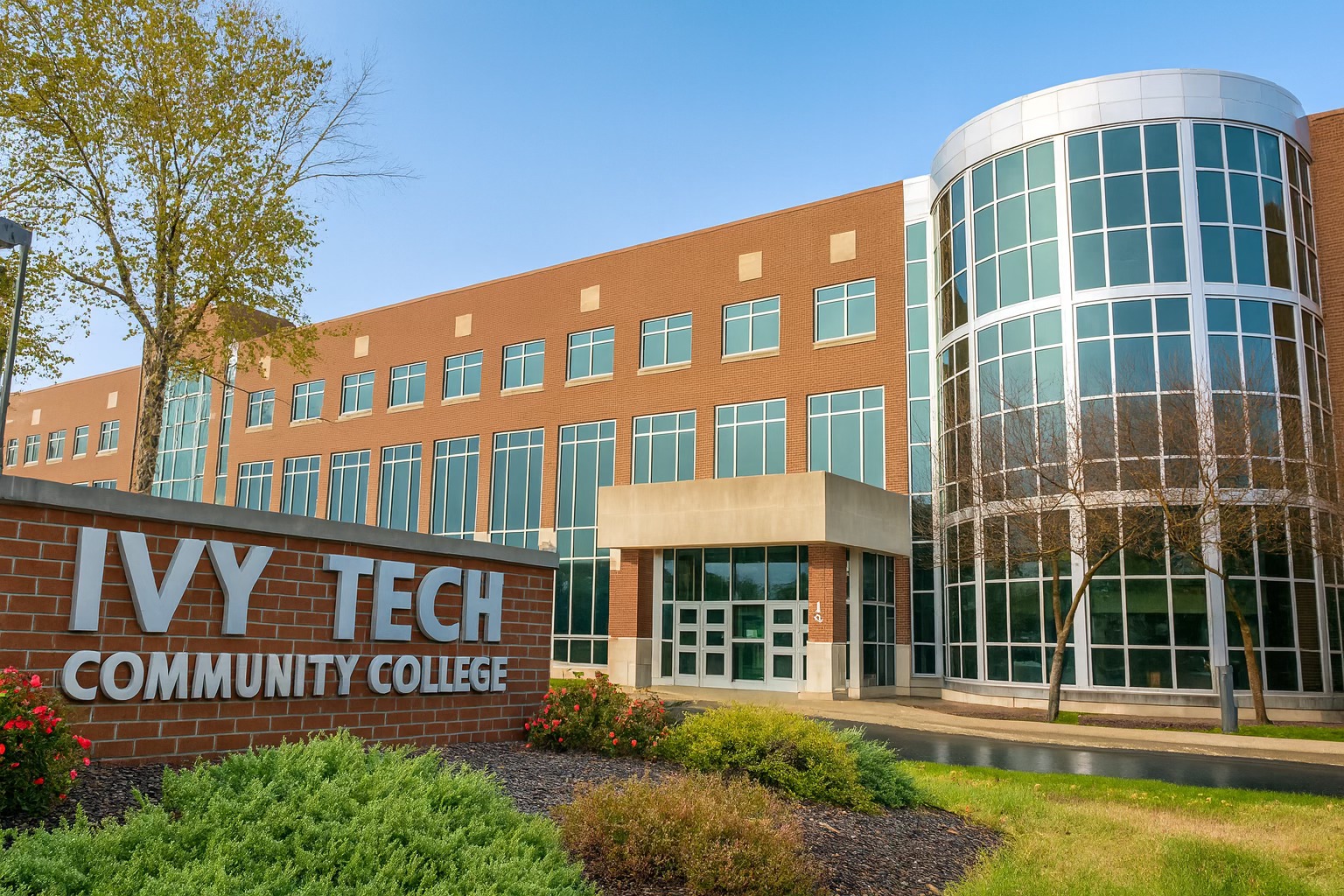
Most students and families searching for “Ivy Tech Evansville Facebook” aren’t just looking for a link—they want real access. They’re trying to find class updates, campus events, financial aid reminders, or student groups. The Facebook page isn’t just a social feed—it’s a working tool for staying connected when email gets buried and websites feel impersonal.
Yet, many people land on outdated posts, miss registration deadlines, or struggle to tell official accounts from unofficial ones. That confusion costs time and opportunities. The real value isn’t just in finding the page—it’s in using it strategically.
This guide cuts through the noise. You’ll learn how to identify the authentic Ivy Tech Evansville Facebook presence, what kind of information it actually delivers, and how to leverage it for academic success, networking, and timely updates.
The Official Ivy Tech Evansville Facebook Page: What You’ll Actually Find
When you search “Ivy Tech Evansville Facebook,” the top result should be the verified page: Ivy Tech Community College – Evansville Campus. It has a blue checkmark, posts from staff or administrators, and links directly to ivytech.edu/evansville.
This isn’t a student-run group or alumni feed. It’s the college’s primary social channel for the region, and it’s updated weekly with:
- Registration and deadline alerts – like FAFSA workshops or drop/add windows
- Campus event promotions – career fairs, guest speakers, and open houses
- Emergency closures – weather-related shutdowns or building maintenance
- Student spotlights – profiles of learners in nursing, IT, or advanced manufacturing
- Workforce partnership news – collaborations with local employers like Deaconess or Mead Johnson
For example, during spring 2023, the page posted a video walkthrough of the new advanced manufacturing lab before classes began—giving students a virtual orientation before stepping on campus.
Don’t confuse it with fan pages or unofficial groups. The real page uses the official logo, avoids slang in headlines, and includes location tags for Evansville events.
Why Facebook Still Matters for Community College Students
You might assume college communication runs through email or a learning management system. But data from Ivy Tech’s 2022 student engagement survey shows 68% of Evansville students check the campus Facebook page at least once a week—more than any other social platform.
Here’s why it works:
- Speed: A snow closure announcement often hits Facebook 15–30 minutes before mass emails go out.
- Visual content: Lab tours, classroom setups, and student project showcases are shared as videos or reels.
- Community building: Students comment on events, ask questions in real time, and connect with peers.
A nursing student once commented on a post about clinical rotations, asking about transportation. A staff member responded the same day with van shuttle details—information not yet posted on the main site.
Still, Facebook has limits. Grades, transcripts, and enrollment status are never shared there. And not all departments post consistently. The financial aid office, for example, relies more on email alerts.
How to Use Ivy Tech Evansville Facebook Proactively

Passively scrolling won’t get you far. To use the page effectively, treat it like a tactical resource. Here’s how:
Turn on Notifications Click the “Follow” button, then select “Favorites” and choose “All Posts.” This ensures you see updates in your feed—even if Facebook’s algorithm changes.
Use the Search Feature Within the Page Instead of Googling “Ivy Tech Evansville bookstore hours,” go directly to the Facebook page and use the search bar at the top. Type “bookstore” and filter by date. You’ll likely find a recent post with holiday hours or textbook buyback dates.
Monitor Comments for Unofficial Insights
While staff moderate and respond, students often share tips in the comments. For instance, a post about parking passes included a comment thread with the best lots for morning classes and which entrances have the shortest lines during peak hours.
Report Fake or Misleading Pages If you come across a page titled “Ivy Tech Evansville Students Only” that asks for login details or money, report it. These often mimic real pages to collect personal information. The only official page links to ivytech.edu in the “About” section.
What the Facebook Page Doesn’t Tell You (And Where to Look Instead)
Even a well-managed social channel has gaps. Here’s what you won’t reliably find on the Ivy Tech Evansville Facebook page—and where to get the real info:
| Missing Information | Where to Find It |
|---|---|
| Class syllabi or assignments | OnCampus (Ivy Tech’s LMS) |
| Degree audit or graduation status | Student Self-Service portal |
| Financial aid award letters | MyIvy account |
| Tutoring appointment booking | Academic Support Center website |
| Detailed course schedules | Ivy Tech course catalog |
For example, Facebook might announce a tutoring workshop, but the signup link and time slots live on a separate Events page or Google Form. Always read the full post for external links.
Student Groups and Unofficial Communities on Facebook
Beyond the official page, several active student-run groups exist. These aren’t affiliated with the college but serve as peer networks.
Notable Groups:
- Ivy Tech Evansville Nursing Students – Over 400 members; shares study guides, clinical tips, and emotional support
- Ivy Tech Evansville Trades Program Network – Focuses on HVAC, welding, and electrical students coordinating ride shares and tool swaps
- Ivy Tech Evansville Adult Learners – Geared toward non-traditional students discussing childcare, work balance, and re-entry challenges
Use these with caution: - Never share your student ID, password, or financial details - Verify advice with instructors—someone might misremember a deadline - Avoid groups with constant drama or spam
One adult learner shared that she found a study partner in the Adult Learners group who lives in her neighborhood—saving her two hours of weekly commute time.
Connecting Facebook Activity to Real Academic Outcomes
Engagement on Facebook isn’t just social—it can impact academic performance. Students who follow the page and participate in events are 23% more likely to renew their enrollment the next semester, according to internal Ivy Tech retention tracking.
Why? Because they stay informed.
For example: - A post about free Microsoft Office training led 40+ students to sign up—skills they later used in business and IT courses. - A call for volunteers at a campus robotics demo helped engineering students build resumes and network with local tech firms.
The pattern is clear: visibility leads to opportunity.
How Staff and Faculty Use the Page
It’s not just students. Advisors, instructors, and career counselors use the page to broadcast opportunities:
- A manufacturing instructor once posted photos of student-built drones, tagging local employers in the post—two students got summer internships from it.
- The career services team shares job fairs with direct employer lists and resume prep tips in the captions.
If you’re unsure who to contact, comment on a relevant post. Staff often reply publicly, which helps others with the same question.
Avoid These Common Mistakes
Even regular users trip up. Watch out for:
- Assuming all posts are urgent – Some are promotional; learn to distinguish alerts from announcements
- Not checking the date – A post about fall registration might resurface in spring but be outdated
- Messaging privately without a clear ask – Staff get hundreds of messages; always include your student ID and a specific question
- Ignoring the “Events” tab – Critical workshops and deadlines are listed there with RSVP options
One student missed a scholarship deadline because he saw a post two weeks late—Facebook had buried it in his feed.
Make It Work for You: A Weekly Routine
Set up a simple habit to get the most from the page:
- Every Monday: Scroll the past 7 days’ posts. Look for:
- - Upcoming events
- - Changed hours (library, cafeteria)
- - Staff announcements
- Comment or react to at least one post—increases your visibility in the feed
- Click one external link (like a workshop registration or resource guide)
- Bookmark the official page on your phone for quick access
This takes less than five minutes but keeps you ahead of the curve.
The Ivy Tech Evansville Facebook page won’t replace your syllabus or academic advisor. But used right, it’s a live feed of campus life, support, and opportunity. Find the official page, follow it, and engage with purpose—your next break might come from a post you didn’t skip.
FAQs
Is the Ivy Tech Evansville Facebook page official? Yes, the verified page with the blue checkmark and link to ivytech.edu/evansville is the official campus account.
Can I register for classes through Facebook? No. Facebook provides information and links, but registration happens through the MyIvy portal.
Why aren’t all departments posting on Facebook? Some teams prefer email or internal systems. The page focuses on campus-wide updates, events, and student life.
Are student groups on Facebook endorsed by the college? No. Most are peer-run. Use them for networking but verify important information through official channels.
How often is the page updated? Typically 2–4 times per week, with spikes during registration, orientation, and emergencies.
Can I message advisors through Facebook? You can message the main page, but for personal issues, use your MyIvy email for security and faster response.
What should I do if I see a fake Ivy Tech Facebook page? Report it to Facebook and notify the Evansville campus by calling (812) 429-9015 or emailing evansville@ivytech.edu.
FAQ
What should you look for in How to Find and Use Ivy Tech Evansville Facebook Resources? Focus on relevance, practical value, and how well the solution matches real user intent.
Is How to Find and Use Ivy Tech Evansville Facebook Resources suitable for beginners? That depends on the workflow, but a clear step-by-step approach usually makes it easier to start.
How do you compare options around How to Find and Use Ivy Tech Evansville Facebook Resources? Compare features, trust signals, limitations, pricing, and ease of implementation.
What mistakes should you avoid? Avoid generic choices, weak validation, and decisions based only on marketing claims.
What is the next best step? Shortlist the most relevant options, validate them quickly, and refine from real-world results.