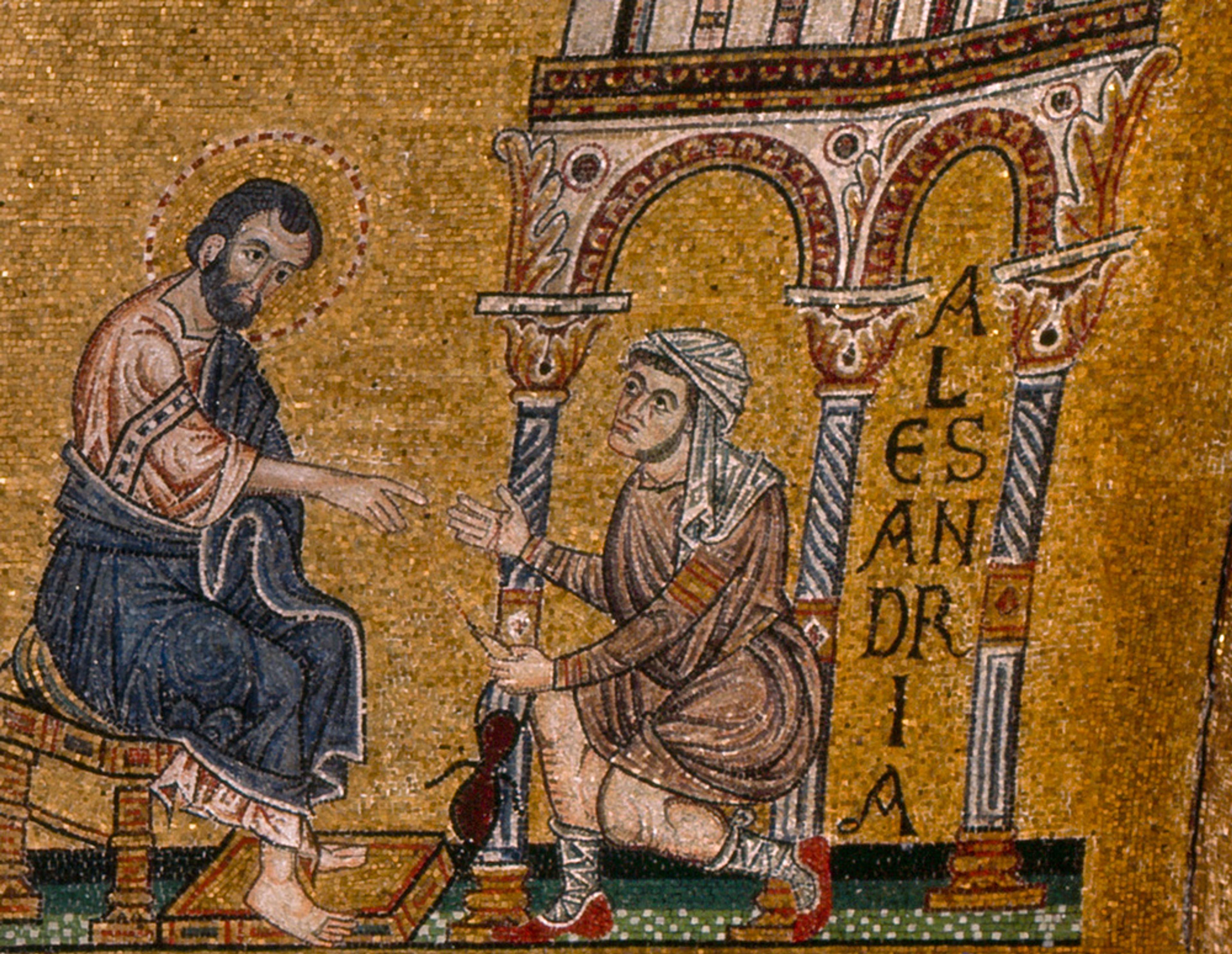
The human body in medieval art doesn’t just appear—it performs. It kneels, ascends, bleeds, and radiates divine light. But far from mere representation, the body in medieval visual culture functioned as a loaded site where theology and politics converged. Every gesture, proportion, wound, and posture carried doctrinal weight and social consequence. To study medieval art through this lens is to understand how emperors, saints, and sinners were rendered not as individuals, but as ideological vessels—bodies inscribed with power, piety, and control.
This wasn’t accidental. In an era where literacy was limited and doctrine was enforced visually, images were instruments of instruction, devotion, and domination. The body became the primary text through which religious truth and political authority were communicated—and contested.
The Sacred Body: Christ’s Flesh as Theological Statement
At the heart of medieval theology lay the Incarnation: God becoming flesh. This doctrine transformed the human body from a vessel of sin into a conduit of salvation. Artists responded by making Christ’s body the ultimate site of theological discourse.
Early medieval crucifixion scenes often avoided physical suffering. Christ was shown serene, eyes open, triumphant—his body not broken but glorious. This “Christus Victor” imagery emphasized resurrection over agony, reinforcing the idea that divinity transcended pain. But by the 12th century, especially in Western Europe, the portrayal shifted dramatically.
The Man of Sorrows motif emerged—Christ displayed half-naked, eyes closed, wounds exposed, blood dripping from his side. This wasn’t just realism; it was devotional engineering. The faithful were invited to contemplate Christ’s suffering intimately, to feel his pain as spiritual nourishment. The body here is both divine and vulnerable, sacred and political: it becomes a mirror for the viewer’s own mortality and moral responsibility.
This shift wasn’t purely spiritual. It correlated with rising monastic movements and sermons that emphasized personal penance. The suffering body of Christ was a tool for social control—encouraging humility, obedience, and submission to Church authority.
Saints’ Bodies: Miracles, Relics, and Political Legitimacy
If Christ’s body was a theological anchor, saints’ bodies were its political extension. Sainthood wasn’t just spiritual—it was territorial, economic, and deeply institutional. A town with a saint’s relics gained prestige, pilgrims, and revenue. The body after death became a source of power.
Consider the translation scenes in illuminated manuscripts or church frescoes: bishops and nobles escorting a saint’s corpse like a royal procession. These weren’t records—they were propaganda. The act of moving relics was often a power play, used to assert ecclesiastical dominance or municipal pride.
Take the case of Saint Foy of Conques. Her stolen relics were enshrined in a gilded reliquary shaped like her body—except it was bejeweled, elongated, and more regal than human. The staurotheke (reliquary cross) or phylacteries worn by clergy didn’t house bones—they housed ideology. The saint’s body, even in fragment, was a political instrument, reinforcing the Church’s claim to divine intermediation.
And what of the body’s integrity? Miracles involving uncorrupted flesh or bleeding relics served dual purposes: proof of sanctity and justification for clerical authority. A decaying corpse undermined legitimacy; a miraculously preserved one affirmed it.
Royal Bodies: Divine Right Made Visible
Kings weren’t just rulers—they were living symbols of cosmic order. Medieval art meticulously crafted royal bodies to reflect this divine mandate.
In coronation manuscripts like the Coronation of Charlemagne (14th century, Grandes Chroniques de France), the emperor is shown being anointed by an angel. His posture is upright, gaze distant, hands clasped in a gesture of both prayer and command. The body is rigid, symmetrical, almost architectural—less human, more monument.
This wasn’t realism; it was ideological anatomy. The king’s body mirrored the Church’s hierarchy: head (king) ruling over limbs (subjects), all unified under God. This concept, known as the body politic, was visualized through art. Sculptures of kings at cathedral portals—like those at Chartres or Reims—stand among saints and prophets, suggesting their rule was divinely ordained.
But what happened when the body failed? Illness, disability, or disfigurement threatened this image. Depictions of lepers or hunchbacks in marginal art often carried moralizing overtones—physical deformity as spiritual corruption. Conversely, a king’s recovery from illness was painted as divine favor, a reaffirmation of legitimacy.
Gendered Bodies: Power, Purity, and Punishment
The female body in medieval art was especially politicized—simultaneously venerated and controlled.
The Virgin Mary was the ultimate paradox: a woman exalted above all others, yet defined entirely by chastity and submission. In Byzantine mosaics, she is Theotokos—God-bearer—her body expansive, her gaze downward in humility. Her elongated torso and stiff pose aren’t artistic limitations—they’re theological statements about purity and containment.
Meanwhile, Eve was often depicted in contrast: smaller, twisted, reaching for the fruit with frantic energy. In Romanesque tympana, like at Autun Cathedral, her body is contorted, emphasizing temptation and consequence. The female form becomes a narrative device—either redeemed (Mary) or damned (Eve, Jezebel, Magdalene).
Even female saints were depicted through this lens. Saint Agnes, executed for virginity, is shown with long hair covering her body—symbolizing both modesty and spiritual armor. Saint Catherine, though learned, is defeated not by argument but by torture—the wheel, the sword—her body broken to prove her faith.
These images weren’t passive. They reinforced societal norms: women’s bodies as sites of moral risk, requiring surveillance and sanctification.
The Marginalized Body: Exclusion as Theological Order
Not all bodies were elevated. Medieval art also defined holiness by showing what—or who—was excluded.
Grotesques on Gothic cathedrals—gargoyles, sheela-na-gigs, hybrid creatures—are more than decoration. They represent the other: the sinful, the pagan, the foreign. Their exaggerated genitalia, contorted limbs, and animal features serve as visual warnings. The sacred space is purified by their presence on the margins—literally carved into the outer walls, below the saints.
Lepers, Jews, and Muslims were similarly depicted. In manuscripts, Jews are often shown with distorted features, wearing pointed hats (a legal requirement in some regions), clutching money bags. These caricatures weren’t just prejudice—they were theological justifications for exclusion, reinforcing the idea that the Christian body politic was pure only when bounded.
Even within monastic art, the body in decay—memento mori skeletons, emaciated hermits—served a purpose: to remind viewers that earthly form was temporary, corruptible, in need of salvation. Death was not the end, but a political transition—resurrection awaited only the obedient.
Artistic Techniques That Enforced Doctrine
The power of these images wasn’t just in subject matter—it was in form.
- Hieratic scaling: Important figures (Christ, Mary, kings) were larger than others, visually asserting dominance.
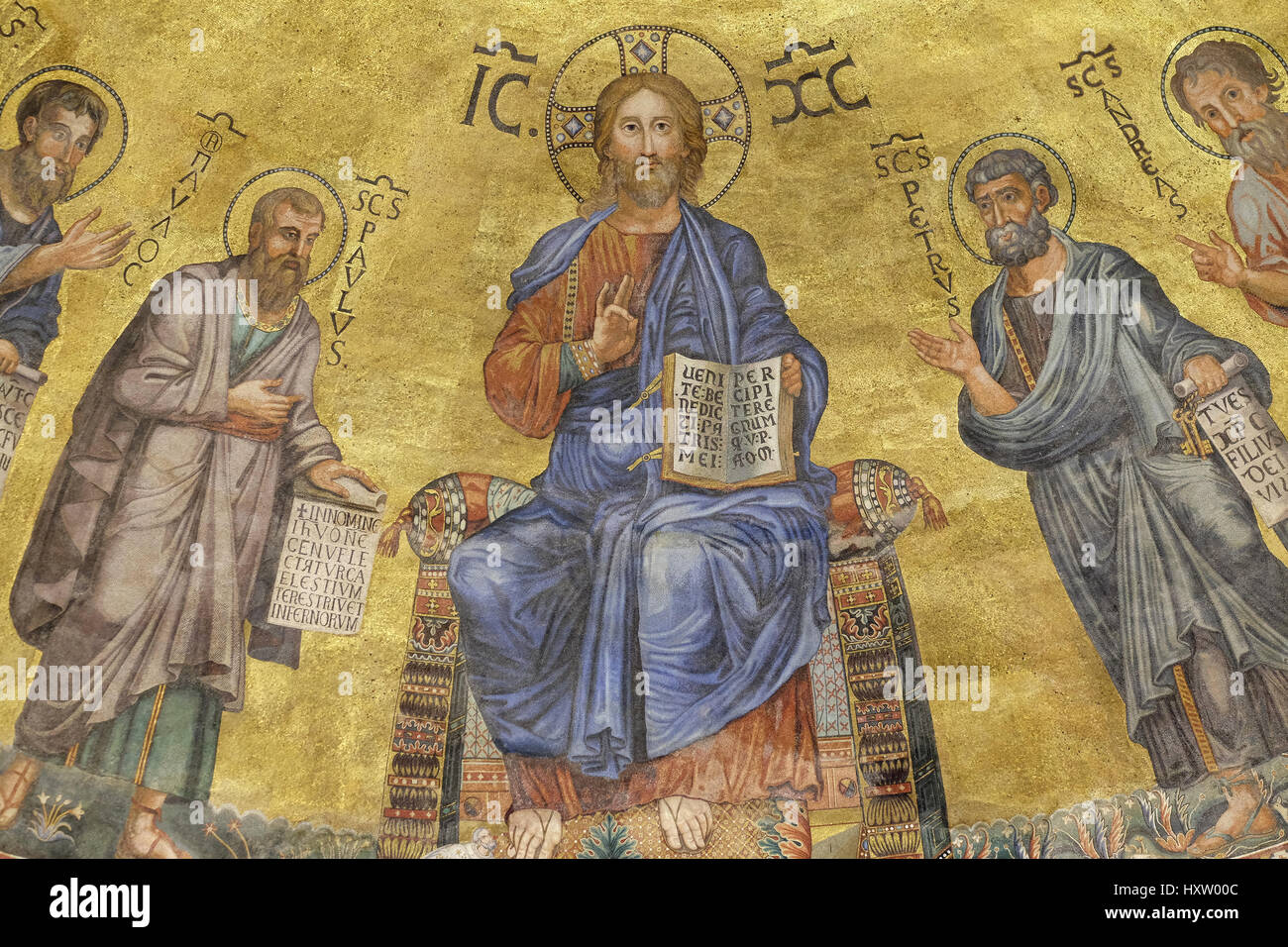
- Gold backgrounds: In Byzantine icons, gold didn’t depict sky—it represented divine light, removing figures from earthly space.
- Frontality and symmetry: Faces and bodies often faced forward, unblinking, creating a sense of eternal presence and authority.
- Color symbolism: Blue for divinity (Mary’s robe), red for sacrifice or royalty, black for death or evil.
These weren’t stylistic quirks. They were tools to bypass reason and speak directly to the soul—and to social order.
Consider the Virgin of Paris statue (Notre-Dame, early 13th century). The Virgin is massive, seated like a throne, with Christ as a child on her lap. But look closer: her face is serene, but her body forms a rigid pyramid—stable, unmovable. The child blesses with one hand, holds a globe in the other. This is theology in stone: Mary as Ecclesia, the Church; Christ as ruler of the world. The viewer stands below, literally and spiritually.
The Body as Battlefield: Iconoclasm and Resistance
The stakes were so high because images were never just images.
The Byzantine Iconoclast Controversy (8th–9th centuries) wasn’t a debate about art—it was about who controlled the body’s meaning. Iconoclasts argued that depicting Christ’s body risked idolatry—making God too human, too manipulable. Icons, they claimed, turned theology into spectacle.
But iconophiles fought back. They argued that if God became flesh, then art could—and must—depict it. Destroying icons was akin to denying the Incarnation itself.
When icons were restored in 843 CE (Orthodoxia), it wasn’t just a religious victory—it was political. The Empress Theodora used the restoration to reassert imperial authority, aligning the throne with divine truth.
Centuries later, Protestant reformers would repeat this struggle, smashing statues and whitewashing frescoes. The body in art remained a flashpoint—where belief, power, and identity clashed.
Conclusion: The Body Still Speaks
Medieval art didn’t just show the body—it inscribed it with meaning. Every wound, gesture, and garment carried doctrine. Every crown, halo, and deformity conveyed hierarchy. The body was never neutral. It was where salvation was promised, power was claimed, and society was policed.
To understand medieval art is to see beyond aesthetics. It’s to recognize that behind every saintly smile or crucified grimace lies a web of theological assertion and political strategy. These images weren’t made to be admired—they were made to work: to convert, to warn, to legitimize.
For modern viewers, the lesson is clear: when we look at a medieval crucifix or a queen’s effigy, we’re not just seeing history. We’re seeing how the human body has always been a stage—where gods and rulers perform their authority.
Look closely. The body still speaks.
Frequently Asked Questions
Why were bodies in medieval art often stiff and unrealistic? Stylization wasn’t about skill—it was about theology. Rigid poses conveyed divine order, timelessness, and spiritual authority over physical realism.
Did medieval artists believe in the power of images? Yes. Many believed images had real spiritual effects—able to heal, protect, or bless. Icons were venerated, not just viewed.
How did politics influence depictions of Christ? Political leaders used Christ’s image to align their rule with divine will. A triumphant Christ reinforced royal power; a suffering one encouraged obedience.
What role did relics play in medieval society? Relics were economic and political assets. Cities competed to house them, as they attracted pilgrims, wealth, and prestige.
Why were women’s bodies so strictly controlled in medieval art? Female bodies symbolized both purity and danger. Mary represented ideal womanhood; Eve and others warned of temptation and sin.
Were all medieval bodies idealized? No. Marginal figures—monsters, lepers, sinners—were shown deformed to contrast with the holy, reinforcing moral and social boundaries.
How did the Church use art to teach illiterate people? Art was a “Bible for the poor.” Scenes of judgment, saints, and miracles conveyed doctrine, morality, and Church authority visually.
FAQ
What should you look for in How Medieval Art Turned the Body Into Sacred Politics? Focus on relevance, practical value, and how well the solution matches real user intent.
Is How Medieval Art Turned the Body Into Sacred Politics suitable for beginners? That depends on the workflow, but a clear step-by-step approach usually makes it easier to start.
How do you compare options around How Medieval Art Turned the Body Into Sacred Politics? Compare features, trust signals, limitations, pricing, and ease of implementation.
What mistakes should you avoid? Avoid generic choices, weak validation, and decisions based only on marketing claims.
What is the next best step? Shortlist the most relevant options, validate them quickly, and refine from real-world results.